Даосский мастер Чжан Голао: эксцентричный бессмертный, который ездил спиной вперёд
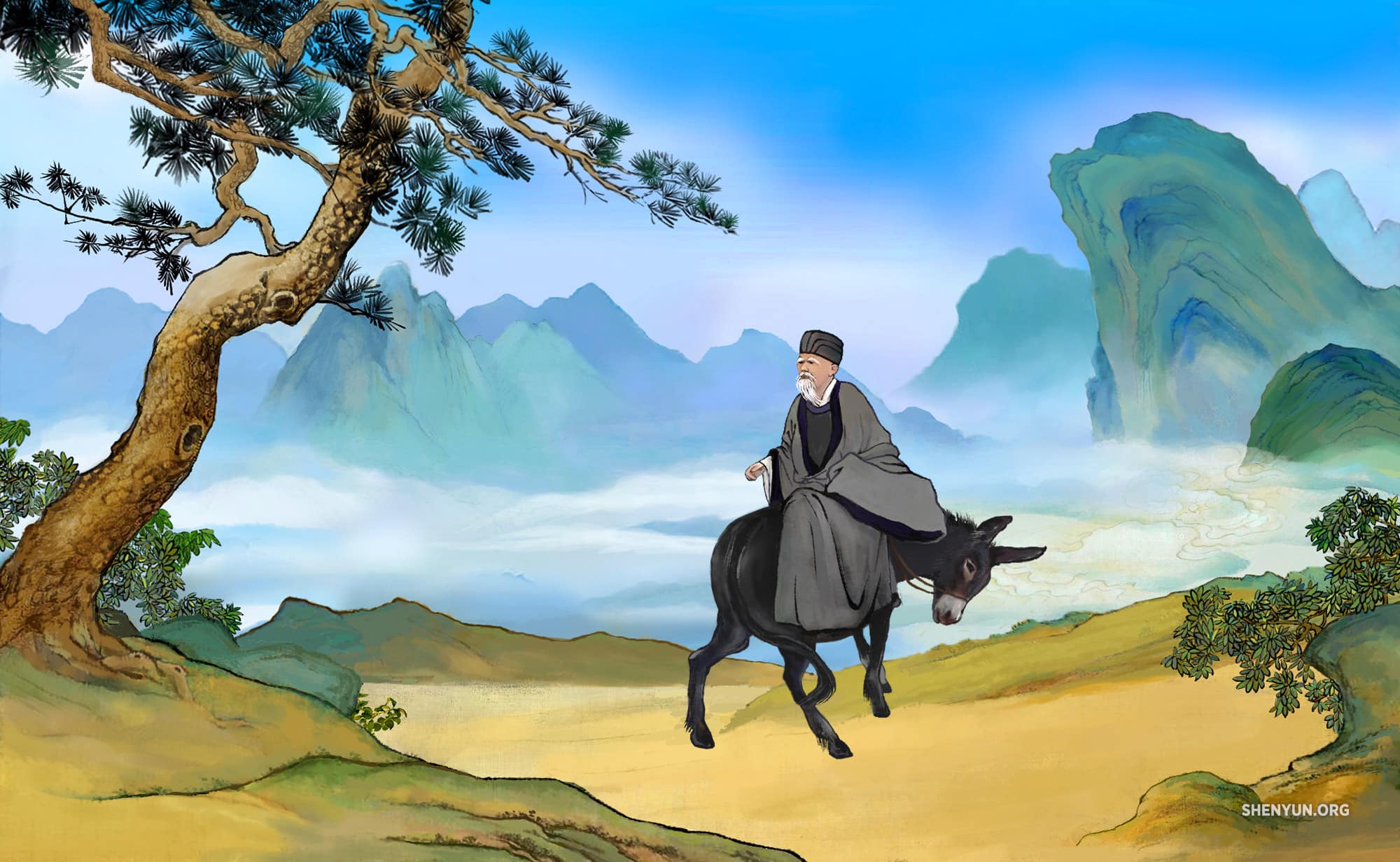
Под окутанными туманом вершинами по узкой тропе неторопливо движется старик, сидя на осле. Но сидит он спиной вперёд, лицом к хвосту животного. Сельчане в изумлении наблюдают, как он проезжает мимо в своей потрёпанной одежде, с мягким беззаботным смехом. Это мастер Чжан Голао, один из Восьми Бессмертных даосизма – легендарных личностей, которые, как говорят, достигли просветления каждый своим уникальным путём.
Из всех Восьми Бессмертных мастер Чжан стал одним из наиболее часто изображаемых в китайских искусстве и литературе. Благодаря этим изображениям и бесчисленным рассказам он предстаёт как классический даосский бессмертный: мудрый, причудливый и свободный от оков обыденной жизни.
Неуловимый мудрец
В эпоху династии Тан, примерно в седьмом, а возможно, в восьмом веке, за пределами долин, по которым он странствовал, распространилась молва о мудром и весёлом даосском отшельнике. Когда вести о его добрых делах и чудесных способностях дошли до столицы, несколько танских императоров искали его совета. Однако мастер Чжан отказывался от каждого императорского приглашения, предпочитая одиночество в горах.
Даже грозная императрица У Цзэтянь не смогла повелеть ему явиться. Когда его настойчиво попросили предстать перед ней, старый бессмертный якобы упал на дороге и «умер». Его тело разложилось за несколько часов. Однако вскоре путники в горах снова увидели его живым и здоровым. Для мастера Чжана смерть была всего лишь очередной иллюзией, которую он мог использовать по своей воле.
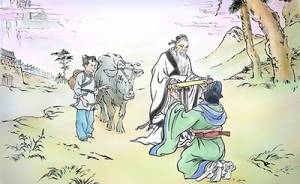
Годы спустя император Тан Сюаньцзун умолял его посетить дворец. На этот раз мастер Чжан согласился и приехал во дворец на своём волшебном осле – животном, которое, как говорили, могло преодолевать тысячу миль за день. По прибытии в столицу бессмертный волшебным образом превратил осла в лист бумаги, сложил его и спрятал.
Во дворце император нашёл своего гостя одновременно забавным и загадочным. Когда его пригласили выпить, мастер Чжан предупредил, что сам может выпить немного вина, но у него есть «ученик», который способен выпить гораздо больше. Он хлопнул в ладоши, и с дворцовых балок спустился молодой человек. «Ученик» пил чашу за чашей, пока, к всеобщему изумлению, внезапно не превратился в золотой кубок, наполненный вином. Мастер Чжан рассмеялся: «Мой ученик стал тем, что он пил».
После того, как он развлёк императорский двор, старый бессмертный достал из своей сумки маленького бумажного ослика и лёгким дуновением вдохнул в него жизнь. Затем мастер Чжан отвлёк императора и придворных, попрощался с дворцом и улетел на осле в облака, оставив после себя растворяющийся в ветре смех.
Почему спиной вперёд?
На картинах и скульптурах мастера Чжана сразу можно узнать. Это жизнерадостный старик, который едет на осле, сидя спиной вперёд. Образ игривый, но несёт в себе глубокий смысл.
Когда мастер Чжан ездил спиной вперёд, он отворачивался от шума честолюбия и погони за личной выгодой. Он двигался против течения мирской жизни, напоминая нам, что путь к истинной свободе лежит не в мирских устремлениях, а в том, чтобы отпустить и вернуться к простоте, покою и своей изначальной чистоте.
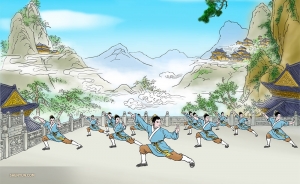
Эта классическая история пересказана в танце Shen Yun 2026 «Легенда о мастере Чжан Голао».
June 16, 2026