Что мотивирует артистов Shen Yun?
ЭТО НЕ ТО, ЧТО СМОЖЕТ СДЕЛАТЬ КАЖДЫЙ. САМООТДАЧА, НА КОТОРУЮ СПОСОБНЫ ЭТИ АРТИСТЫ, НЕ ДЛЯ ВСЕХ. ТАК ПОЧЕМУ ЖЕ ОНИ ВЫБРАЛИ ЭТОТ ПУТЬ?
Сидя в зале, глядя на танцоров на сцене и слушая оркестр, видишь, что артистическое мастерство исполнителей Shen Yun неоспоримо и очень впечатляет. Но даже при наличии врождённых физических характеристик и соответствующего темперамента для достижения такого уровня мастерства им приходилось проводить бесчисленные часы на тренировках и чем-то жертвовать.
Такая жизнь нелегка. Они встают рано ради тренирок. Они доводят физическую форму до предела возможностей, а сознание — до состояния глубокой концентрации. Подобно профессиональным спортсменам или гастролирующим музыкантам, они проводят месяцы в переездах, вдали от близких, в незнакомых городах, постоянно перемещаясь между театрами, аэропортами и отелями. Когда турне заканчивается, они берут заслуженный отпуск — обычно снова для путешествий, а затем готовятся повторить всё заново, создавая новую постановку с нуля.
Почему они это делают?
Ответ держится на трёх мотиваторах: общая вера, срочная тема репрессий в Китае и стремление к высочайшему мастерству.
«Наша штаб-квартира в Нью-Йорке — это нечто среднее между Джульярдской и католической школами, — говорит Ин Чэнь, дирижёр и вице-президент Shen Yun родом из Китая. — С одной стороны, здесь лучшие артисты оттачивают свое мастерство и работают вместе в сплочённом коллективе, чтобы поднять свой уровень. В то же время это место, где руководствуются духовными убеждениями и моральными принципами».
Солист Пётр Хуан родом из Польши начал обучение ещё подростком: сначала студентом в Академии искусств Фэй Тянь, а затем в колледже Фэй Тянь (тренировочные базы и кампусы обоих учебных заведений расположены на территории Shen Yun в Нью-Йорке). Сейчас он один из ветеранов труппы и многолетняя звезда сцены.
«То, что и почему мы делаем, имеет глубокий смысл, если вы разделяете наши духовные убеждения и понимаете значимость цели, но это подходит не всем, я это понимаю. Не каждый хочет ежедневно медитировать, обсуждать, в чём он может стать лучше в моральном плане, или изучать канонические тексты», — говорит он.

«И не каждый хочет жить жизнью профессионального танцора. Это требует каждодневного упорного труда и самоотдачи на протяжении многих лет, — говорит Хуан. — Мне это приносит глубокое удовлетворение, и я бы ни на что это не променял».
Но сначала мы медитируем
Если бы вы попали за кулисы примерно за 15 минут до начала представления, то не увидели бы танцоров, которые в суматохе обмениваются кулачными приветствиями. Скорее вы бы увидели их в костюмах сидящими на сцене в медитации с закрытыми глазами и соединёнными в мудру руками. В абсолютной тишине.
Вера, которую разделяют артисты — это основа идентичности Shen Yun. Она заложена в ДНК компании, она определяет её культуру, кодекс этики и ритмы повседневной жизни.

Компания Shen Yun была основана в долине Гудзона в Нью-Йорке приверженцами Фалунь Дафа. Это был 2006 год, и в то время практикующие Фалунь Дафа в Китае переживали один из самых мрачных периодов преследования, которое длится до сих пор.
Фалунь Дафа (также известный как Фалуньгун) — это практика системы Будды, уходящая корнями в древнии духовные традиции Китая. Практика включает мягкие медитативные упражнения и основные принципы: Истина, Доброта и Терпение. В 90-х годах она стала настолько популярной в Китае, что, по оценкам властей, ею занималось до 100 миллионов китайцев.
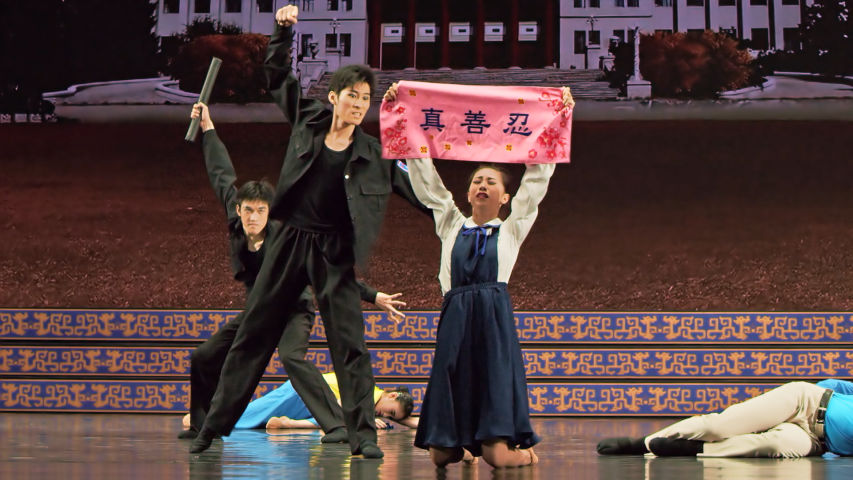
Это было слишком много для правящей в Китае компартии. Она запретила практику и начала жестокую кампанию её подавления, включающую пропаганду, массовые аресты, трудовые лагеря, пытки и убийства мирных людей.
За пределами Китая приверженцы Фалунь Дафа использовали свои способности, чтобы привлечь внимание всего мира к этим репрессиям. Среди них были выдающиеся деятели искусства, в том числе те, кто бежал от преследования, и они хотели использовать свои навыки, чтобы стать голосом тех, кто страдает в Китае. Так они основали Shen Yun.
От древней красоты к современной реальности
С самого начала миссия Shen Yun заключалась в возрождении традиционной китайской культуры — в демонстрации «Китая до коммунизма», как гласят рекламные слоганы. Каждое представление включает около 15 танцевальных номеров, в том числе истории и легенды, исторических героев, литературных персонажей и различные династические и этнические традиции. Наряду с этим, в каждом шоу также представлены несколько номеров о Фалунь Дафа, изображающих тиранию в современном Китае и мужественное сопротивление ей — всё это посредством прекрасного искусства.
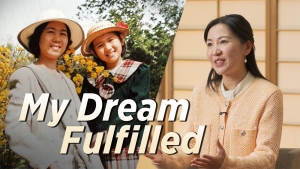
«С самого детства, проведённого на Тайване, я хотела сделать что-то, чтобы остановить преследование в Китае, — говорит солистка Shen Yun Мишель Лянь. — Когда я впервые увидела выступление Shen Yun в Тайбэе, то поняла, что хочу заниматься именно этим — танцевать и рассказывать людям о преследовании на сцене. Участие в Shen Yun стало моей мечтой».
Необходимость остановить зверства — в буквальном смысле убийства людей — стала движущей силой многочисленных усилий, вложенных в создание Shen Yun.
Как и многие стартапы с сильным руководством и командой, объединённые мечтой, Shen Yun был создан людьми, которые оставили другие профессии, чтобы присоединиться к миссии, работали долгие часы и часто начинали как волонтёры. Без государственной поддержки и крупных корпоративных спонсоров компания выросла с одного коллектива до восьми больших трупп, одновременно гастролирующих по всему миру.
«Когда проходила прослушивание в оркестр Shen Yun, я практически ничего не знала о Фалуньгун, — говорит фаготистка Габриэла Гонсалес-Брисено из Венесуэлы. — Я просто встретила там много добрых и искренних людей, и быстро сама начала практиковать. Теперь это часть моей жизни».
Духовность в повседневной жизни
Типичный день в Shen Yun включает в себя не только занятия танцами, акробатические тренировки, занятия секций оркестра и репетиции, но и совместное чтение учения Фалунь Дафа и коллективные медитации.
Однако за повседневными действиями стоит вера, которая в значительной степени связана с изменением мировоззрения.
Ключевой принцип практики Фалунь Дафа — это концепция «поиска в себе». Это похоже на идею «исключительной ответственности» — термин, введённый морским пехотинцем Джоко Уиллинком, который подразумевает принятие личной ответственности за всё происходящее в жизни человека. В духовной терминологии Фалунь Дафа это означает поиск в себе при встрече с трудностями и конфликтами (даже теми, которые тебя напрямую не касаются), чтобы увидеть, в чём ты сам несовершенен и можешь себя улучшить.
«Поскольку мы все стараемся следовать принципам Истина, Доброта, Терпение и смотреть в себя, когда у нас возникают проблемы, то на самом деле это делает нашу жизнь очень гармоничной, — говорит перкуссионистка Элис Лю из Лондона. — Дело не в том, что у нас нет конфликтов, конечно, они есть. И не в том, что мы идеальны — мы не идеальны. Дело в том, что учение даёт нам понимание того, как справляться с конфликтами и учиться на этом опыте».
«Я пришёл сюда, в Shen Yun, потому что хотел быть среди молодых людей, разделяющих мою веру, — говорит танцор Хуберт Ку из Лос-Анджелеса. — Здесь я действительно углубил свою веру и духовную практику вместе с друзьями, которые мне как братья».
Уникальная особенность жизни в кампусе Shen Yun, называемом «Источник Дракона», — захватывающий дух буддийский храм в стиле династии Тан, не имеющий аналогов, конечно, за пределами Азии. Артисты могут совершать послеобеденные прогулки по безмятежной территории храма, мгновенно устанавливая связь и со своей духовной составляющей, и с древней цивилизацией, которую они изображают на сцене.

«Я знаю людей, которые считали, что такой образ жизни им не подходит, — говорит Ку. — Им это казалось похожим на монашескую жизнь, а они этого не хотели, поэтому решили уйти. Мне было грустно, когда они уходили, но это их выбор, и я его уважаю». «Думаю, все разные, и больше всего я благодарен Shen Yun за то, что он помог мне духовно вырасти», — говорит он.
Высочайшее мастерство
А теперь представьте себе искателя духовного пути в гимнастическом зале, как он снова и снова отрабатывает сальто и приземляется в яму с поролоном. Или, может быть, это скрипачка, проводящая четыре часа в день в звукоизолированной кабине, разучивая «Цыганские напевы» Сарасате.
Наряду с духовностью культура компании Shen Yun также направлена на стремление к развитию художественного мастерства мирового уровня.
«Художественные достижения безграничны, и всегда есть более высокий уровень, которого можно достичь, — говорит солист Рой Чэнь из Тайваня. — Есть китайское выражение: за минутой на сцене стоит десятилетие тренировок. Требуется много упорного труда, чтобы это выглядело легко».
Эта концепция похожа на идею Малкольма Гладуэлла о том, что для достижения мастерства в любой области требуется 10 000 часов практики. Это также похоже на идеи Кэла Ньюпорта о том, что глубокое профессиональное удовлетворение приходит от достижения мастерства в выбранной области, и что это достигается благодаря последовательной, долгосрочной и целенаправленной работе.
«Мы стремимся к совершенству в каждом шоу, во всех аспектах каждого шоу, — говорит концертмейстер Ника Чжан из Питтсбурга. — Нас действительно мотивирует то, что мы хотим, чтобы зрители были полностью погружены в мир представления, а для этого нужно, чтобы всё было идеально — на самом высоком уровне».

«Хотя зрители часто называют шоу идеальным, вы удивитесь, но после каждого выступления мы проводим разбор и всегда находим моменты, которые можно улучшить», — говорит она.
Будь то гармоничное звучание оркестра или идеально синхронные движения танцоров — это требует не только командной работы и взаимопонимания, но и взаимной поддержки и отказа от эгоизма. Именно в этом наша вера значительно облегчает задачу, поскольку цель важнее, чем собственное «я».
«Я стараюсь сосредотачиваться не на себе, а на том, чтобы все мы вместе как команда добились успеха, — говорит солистка Нара Оосе из Японии. — Когда я только присоединилась к Shen Yun, опытные танцоры взяли меня под своё крыло и иногда буквально держали за руку. Даже когда участвуем в соревнованиях, мы постоянно подбадриваем друг друга и даём друг другу обратную связь».
«Главный настрой здесь не в том, чтобы занять определённое место, а в том, чтобы расти и помогать друг другу улучшить себя», — говорит Оозе.
Образ мышления атлета
Классический китайский танец — с его требованиями к гибкости, взрывными сальто и акробатическими трюками — настолько атлетичен, что физические нагрузки сопоставимы со спортом, например, гимнастикой. Shen Yun и школы Фэй Тянь, где проходят обучение исполнители, подобны элитным спортивным программам, включающим самые современные тренировочные базы, тренеров, видеозалы и медицинское обслуживание.

«Я вырос баскетболистом и большим поклонником Коби Брайанта и пытался перенять его “менталитет Мамбы”, — говорит танцор Хуан. — Брайант, как известно, играл, несмотря на травмы, и многие из-за этого восхищались им».
«Я думаю, что у нас, танцоров, может быть такой настрой, что, если это необходимо, мы можем терпеть и играть, даже если нам немного больно. Но мы понимаем, что это действительно не подходит для танцевальной карьеры, где у тебя 100 выступлений в год, и ты хочешь показать зрителям всё, на что способен», — говорит он.
Преодоление последствий травм
«Пару лет назад у меня начали болеть ахилловы сухожилия, но я хотел продолжать танцевать, — говорит Хуан. — Однако мой менеджер сказала мне, что нужно рассматривать свою карьеру как марафон, а не как спринт. Она заставила меня взять перерыв для восстановления, и я очень благодарен ей за это».
Танцоры, такие как Сэм Пу, рассказывали об операциях, реабилитации и возвращении в труппу. Ведущие танцоры, такие как Аарон Хьюн, Чад Чэнь и Шон Жэнь, также перенесли операции.
«У нас сотни и сотни танцоров, которые выходят на сцену каждый год, — говорит солист Джесси Брауд, выросший в Нью-Йорке. — Это как играть в профессиональном спорте. Ты делаешь всё возможное, чтобы предотвратить травмы, но они всё равно случаются. За последние семь лет у меня были незначительные травмы, но я восстанавливался и продолжал работать».
Трудности могут возникать не только из-за травм, но и из-за смены часовых поясов, храпа соседей по комнате или просто из-за однообразной рутины, напоминающей «день сурка» изо дня в день. Чтобы принять такой образ жизни, нужен особый склад характера. Те, кто выбирает его, любят его и остаются несмотря на трудности.
«Как мы живём»
«Для меня танцовщицы слева и справа от меня как сёстры, это правда, — говорит Шинди Цай из Сакраменто. — Я выросла единственным ребёнком, но здесь обрела огромную семью».
«Но дело не только в этом. У нас общая миссия: возрождение традиционной культуры, поэтому это не просто наше занятие — это наша жизнь», — говорит Цай.
Когда зрителей трогают герои, известные своей преданностью, мужеством и верой, это не только из-за мастерства танцоров — это также из-за ценностей, которые воплощают артисты, это из-за того, кем они являются. В каком-то смысле это не игра.
«Наша компания — это организация, в основе которой лежит духовная вера, и я думаю, что это идёт на пользу нашему искусству, — говорит киномеханик Регина Дун, которая родилась в Китае, затем переехала в Сингапур, а потом в Соединённые Штаты. — Наша духовная вера вдохновляет нас, мы вкладываем духовность в свою душу, а затем стараемся вдохновить зрителей».
«Мы не пытаемся обратить кого-то в свою веру. Наша главная цель — остановить преследование в Китае, вселить в людей надежду и поделиться чем-то по-настоящему хорошим и вдохновляющим».
July 22, 2026